
Regular presence & visits
A trained volunteer visits and phones regularly — a dependable friendly face, glad to listen, share a coffee, or simply sit and talk in the elder's own language.
France is home to the largest Jewish community in Europe — and among it are older people who live alone, ageing survivors, and families far from the support they need. DPI brings them presence, dignity and practical help, with deep respect for their traditions.
Why this matters to us
DPI is a French non-profit association (loi 1901) based in Reims. Our mission is to fight the isolation of older and vulnerable people — whoever they are. For older members of the Jewish community, isolation can carry particular weight: lost generations, painful memories, and the fear of being forgotten. We answer that with steady human presence and concrete support.
Read our full missionJewish communities have been part of French life for more than a thousand years. From the great medieval scholar Rashi of Troyes — born here in the Champagne region, not far from Reims — to the vibrant communities of Paris, Marseille, Lyon, Strasbourg and Nice today, Jewish families have helped shape French culture, science, commerce and the arts.
With an estimated 440,000 to 500,000 people, France's Jewish community is the largest in Europe. It is also remarkably diverse — bringing together families of Ashkenazi and Sephardi heritage, long-established French Jews and more recent arrivals, the observant and the secular alike.
This heritage is woven into the rhythm of the year: the warmth of Shabbat each week, the apples and honey of Rosh Hashanah, the candles of Hanukkah, the shared table of Passover. These traditions are not only religious — they are the threads that keep families and neighbours connected across generations.
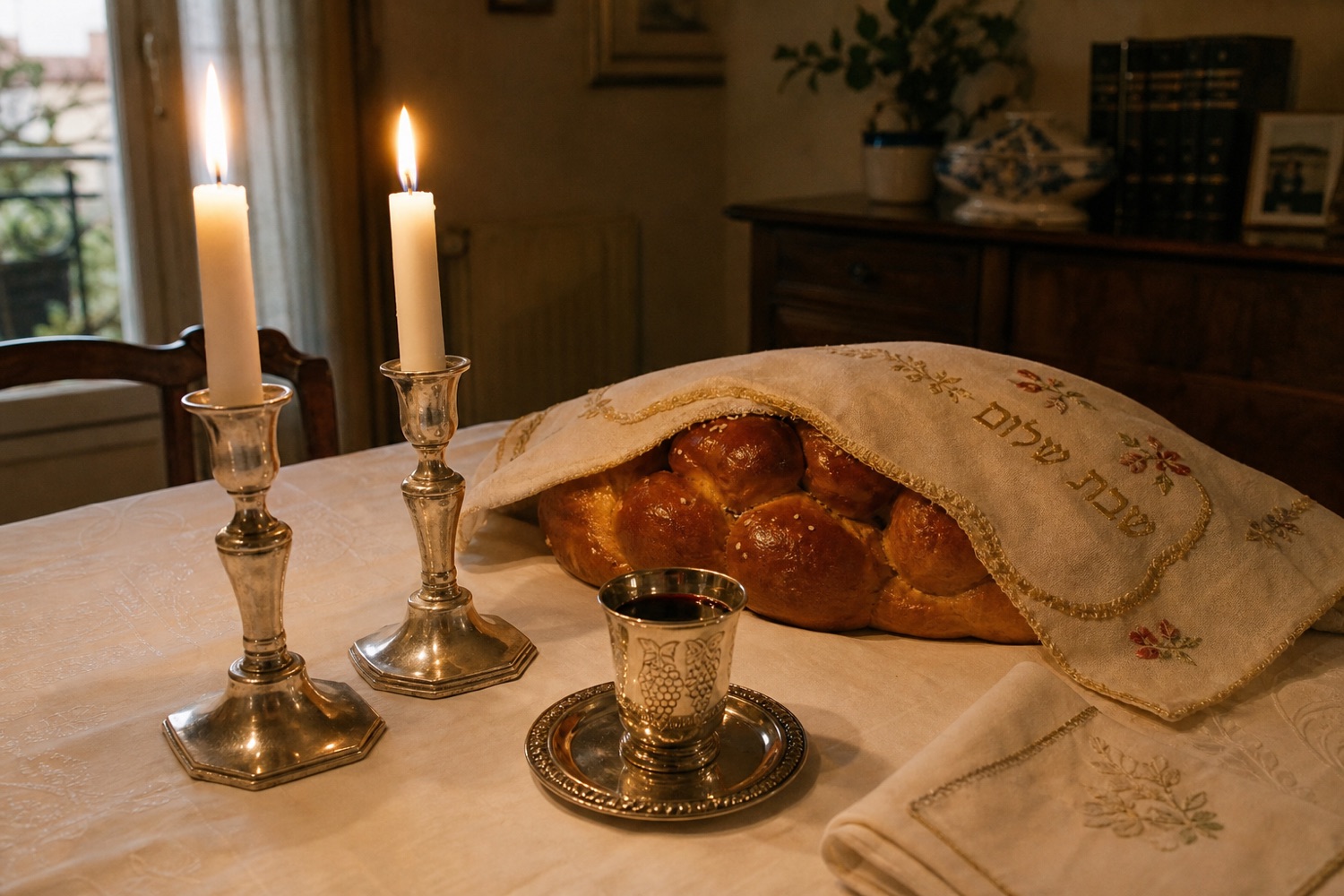
Like all of French society, the Jewish community is ageing. Many older people have lost their spouse and friends, see their children living in other cities or countries, and spend long stretches of the week without a single visit. For them, the festive table that once overflowed can become a painful reminder of absence.
Among these elders are the last living survivors of the Shoah — men and women, now very old, who carry memories no one should carry alone. Tens of thousands of Jews were deported from France during the Second World War; those who survived deserve, in their final years, to be surrounded, listened to and honoured.
A renewed sense of insecurity in recent years has, for some, deepened the urge to stay behind closed doors. Breaking that isolation — gently, reliably, with respect — is exactly the work DPI exists to do.
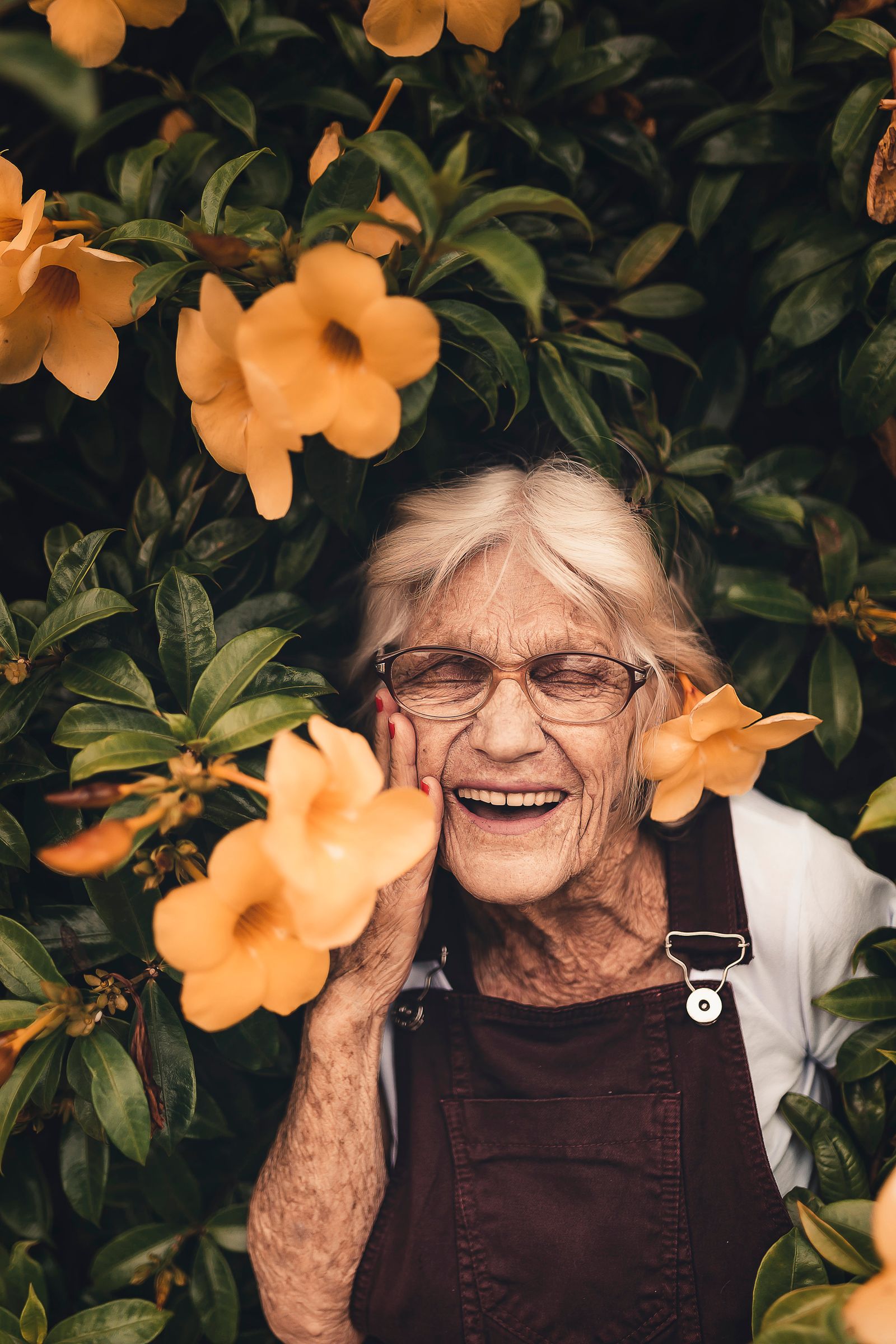
Everything we do is free, confidential and built around the wishes of the person. Here is what that looks like in practice.
A trained volunteer visits and phones regularly — a dependable friendly face, glad to listen, share a coffee, or simply sit and talk in the elder's own language.
We help make sure that Shabbat and the great holidays — Rosh Hashanah, Hanukkah, Passover — are shared, not spent in silence, through visits and welcoming gatherings.
Shared meals are organised with care for kosher dietary needs and traditions, so that taking part never means setting aside one's beliefs.
We offer patient, respectful presence to ageing survivors — gathering memories where wished, and ensuring their last years are filled with dignity and care.
Through our free guide, we help elders understand French social benefits and specific support schemes, and accompany them through confusing paperwork.
We act hand in hand with community associations, synagogues and social centres, so that support is rooted in trust and reaches those who need it most.

We never ask anyone to choose between accepting help and keeping their identity. DPI is a non-religious association, open to all — and precisely because of that, we take care to support each person in a way that respects their faith, their customs and their memory.
In practice that means volunteers who are briefed on traditions and sensitivities, meals planned around dietary laws, visits scheduled around Shabbat and holidays, and a simple, golden rule: the elder is always in charge of how, when and how much support they receive.
Whether you are an older person yourself, a worried relative, or a community organisation, getting in touch is simple and without obligation.
For the first time in years, I was not alone for the Seder. A young volunteer came, listened to my stories, and the apartment felt full again.
I visit Monsieur Lévy every week. He survived what no one should survive. Sitting with him, listening, is the most important hour of my week.
My grandmother lives in Reims and we are abroad. Knowing someone checks on her, with respect for our traditions, means everything to our family.