

Health
Keeping care on track
We help people understand appointment letters, organise their pill boxes, and find their way back to a doctor or nurse when care has slipped.
Fighting the isolation and exclusion of older people also means answering the many aggravating factors of isolation that vulnerabilities represent.
The isolation of older people often worsens under the effect of vulnerabilities linked to housing, health or financial resources. DPI supports the most fragile elders to help them cope.
We guide, support and accompany older people towards the right contacts and the schemes that can concretely improve their daily lives.
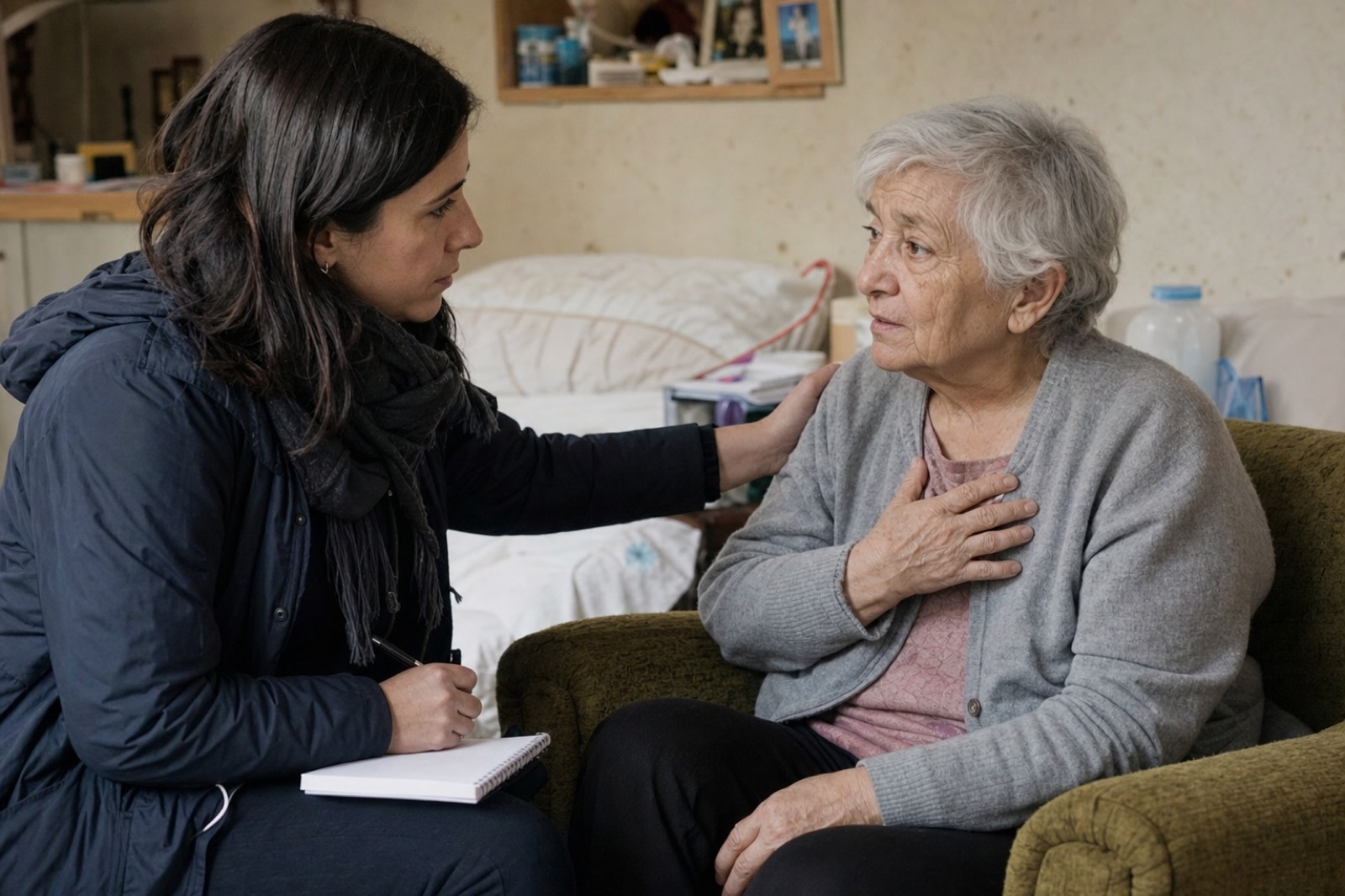
We never replace doctors, social services or the family. We are the patient, trusted go-between who helps an older person make sense of their options and take the next step.
We help people understand appointment letters, organise their pill boxes, and find their way back to a doctor or nurse when care has slipped.
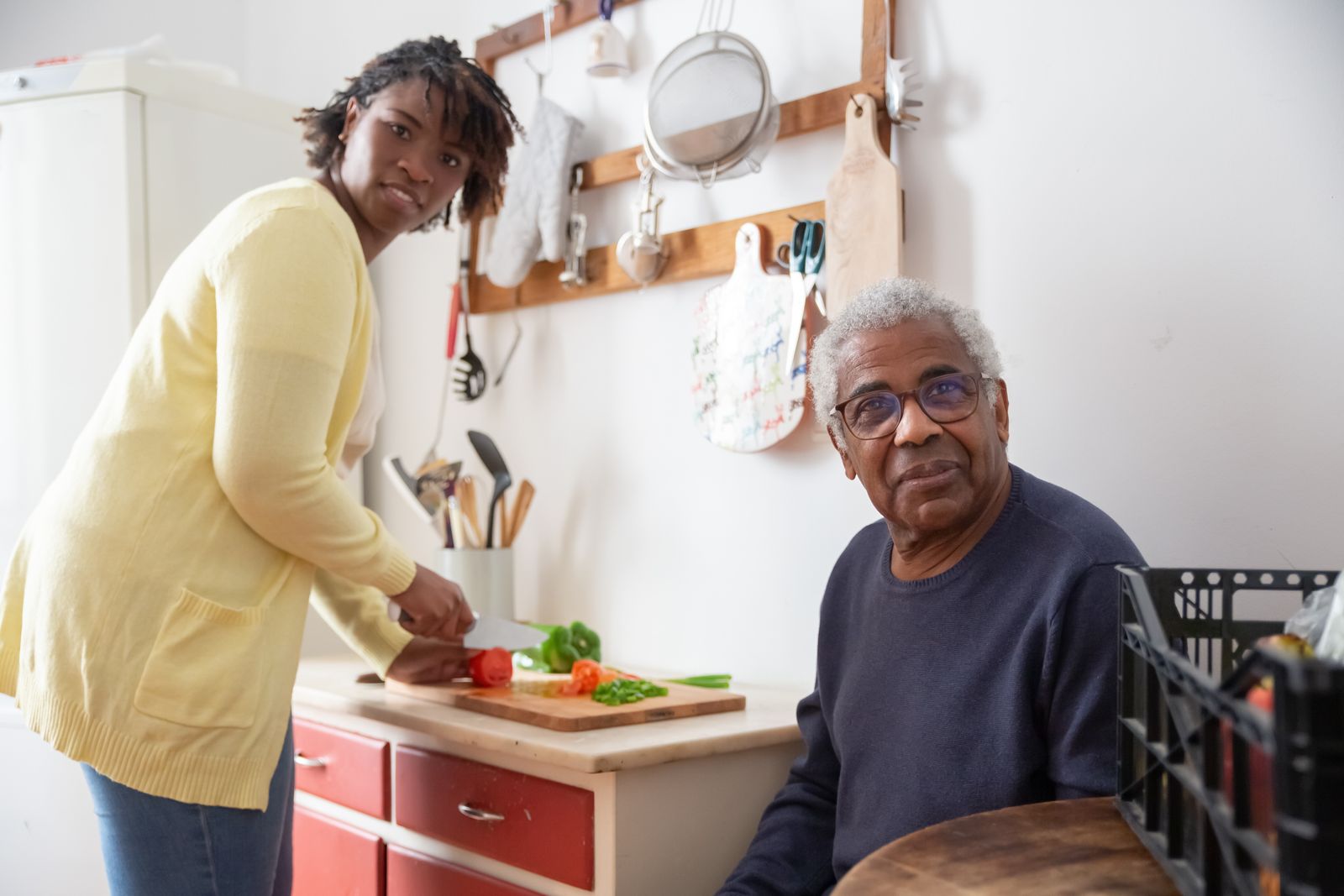
From a warm meal to flagging unsafe housing or a broken heater, we help keep day-to-day life liveable and point towards the right services.
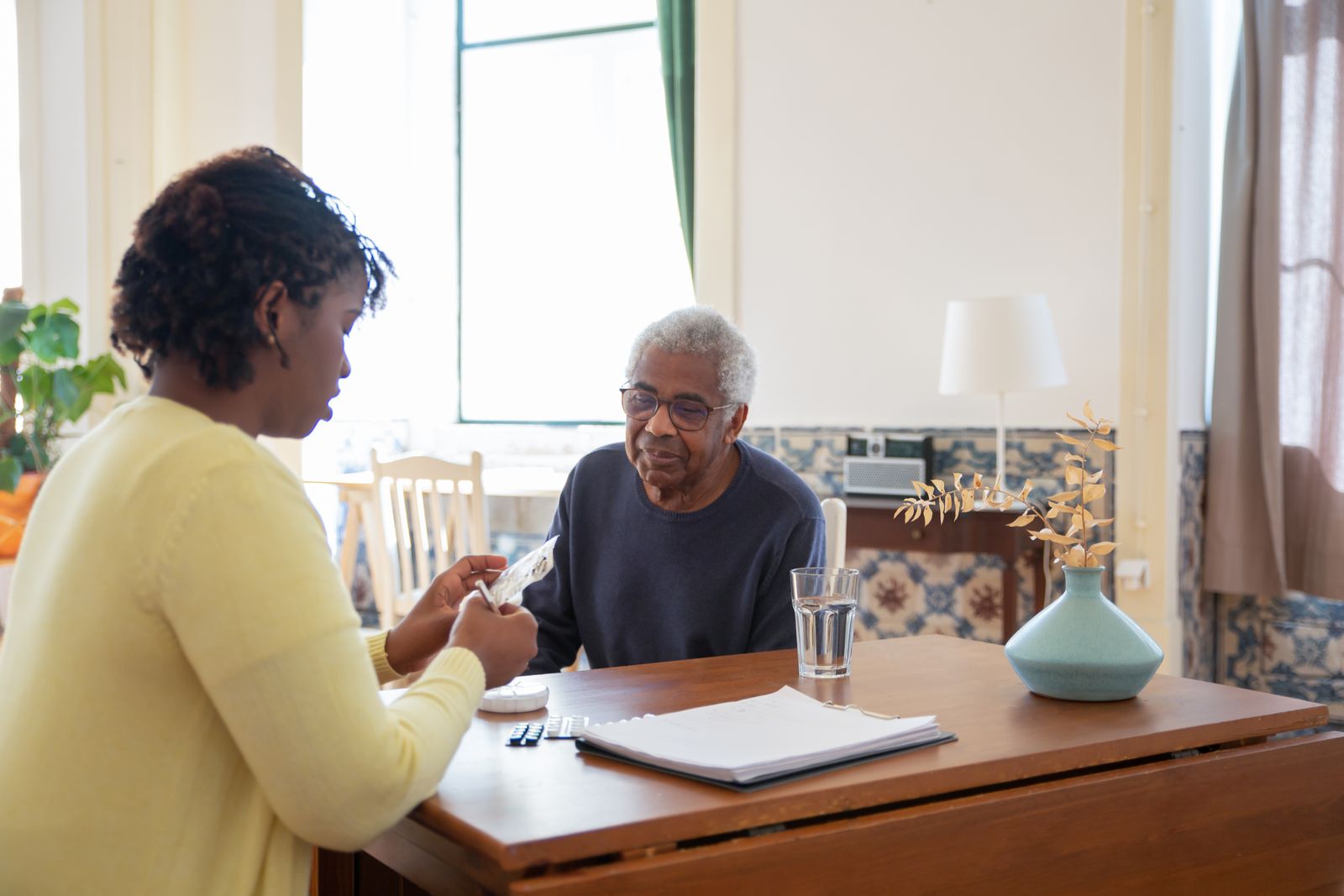
We sit beside people through confusing forms and benefit applications, so money they are entitled to actually reaches them.
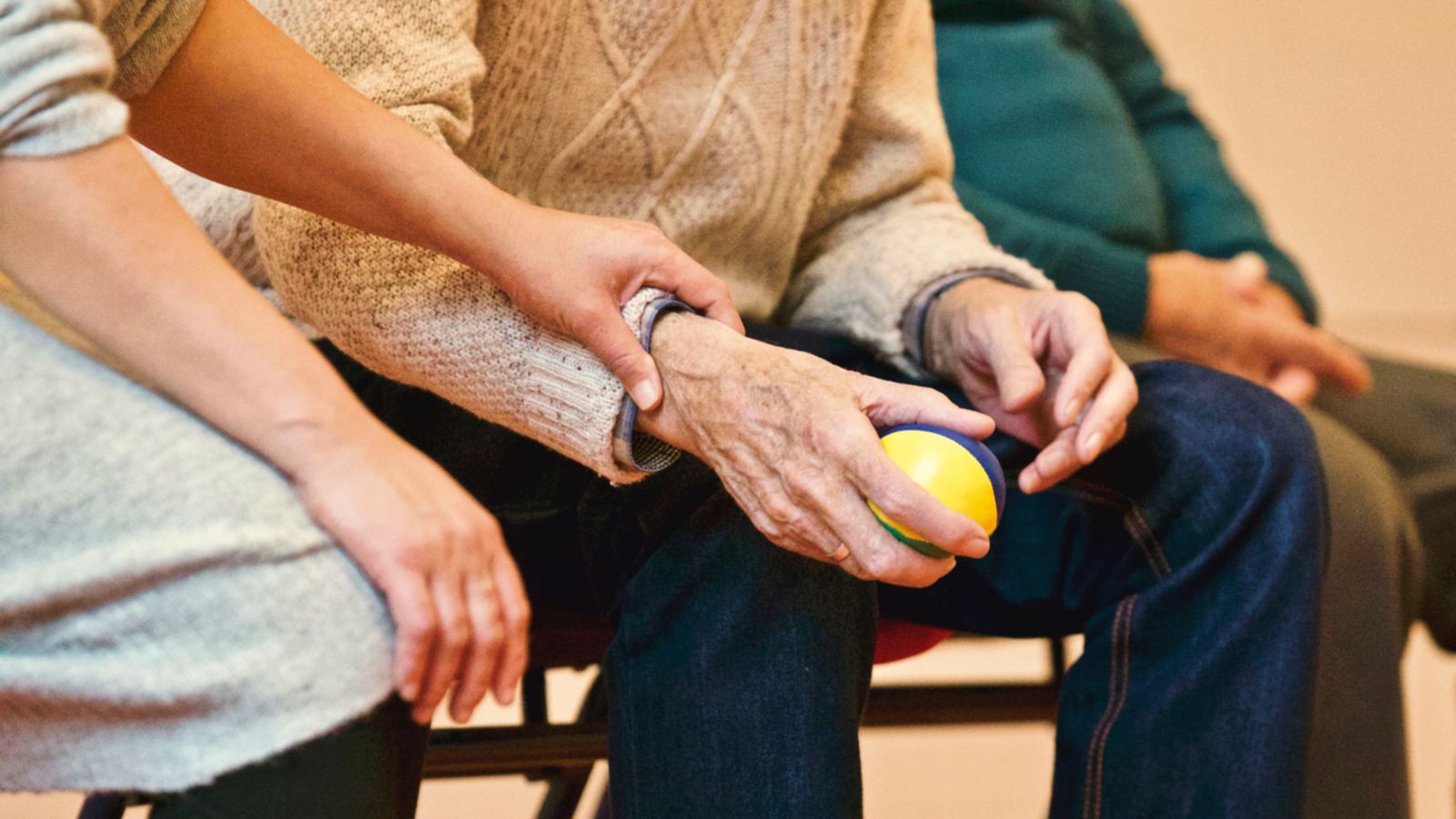
Often the most fragile thing is confidence itself. Knowing someone will pick up the phone makes hard situations feel survivable again.
Heatwaves and cold snaps are not an abstract risk for isolated elders — they are among the deadliest. During summer heat and winter cold, we increase calls and visits, check that homes stay at a safe temperature, make sure people drink and eat enough, and act fast if something is wrong.
A two-minute phone call on the hottest afternoon of the year has, more than once, been the thing that sent help to someone in time.
When my pension paperwork went wrong, I stopped opening my letters altogether. A DPI volunteer sat with me, sorted the pile, and came with me to the office. I sleep at night again.
No. We are not a care provider. We help people understand their situation, regain confidence and connect with the professional services and benefits they are entitled to.
Get in touch. With the person's agreement we can make contact, listen, and help work out what support would genuinely help. Reaching out early often prevents a crisis.
Yes. Everything shared with us is confidential. We only contact other services or relatives with the person's consent, except where their safety is in immediate danger.
Many elders are unaware of the benefits they are entitled to. That is why we offer a free guide on social contributions and social benefits.
Read the free guide